

Can skill beat chance? Analyzing popular casino games
The Nature of Chance in Casino Games
In the realm of casino games, chance often reigns supreme, dictating the outcomes of games ranging from slots to roulette. Chance introduces an element of unpredictability, making it the fundamental basis for how players engage with these games. Each spin of the reel or roll of the dice has outcomes that cannot be predicted with certainty, which draws participants into a world of excitement and suspense. Players frequently find themselves enticed by the thrill of potentially hitting a lucky streak, leading them to explore options like casino online experiences that reinforce the belief that fortune favors the bold.
Understanding the role of chance is crucial when analyzing popular casino games. In many instances, the randomness of outcomes is set by mathematical principles, including probabilities and odds. For instance, in a game like blackjack, the shuffle of the deck heavily influences the players’ chances of winning or losing. This reliance on randomness can often overshadow skills that players might possess, leading to debates about whether expertise can truly overcome luck in the long run.
Moreover, the concept of chance in casino games is essential to the business model of gambling establishments. The house edge, which is the casino’s statistical advantage, ensures that over time, the odds are in favor of the house. While players may experience winning sessions fueled by luck, the long-term perspective shows that chance typically prevails. The design of games intentionally favors randomness, crafting a landscape where chance is an integral player alongside skill.
The Importance of Skill in Popular Casino Games
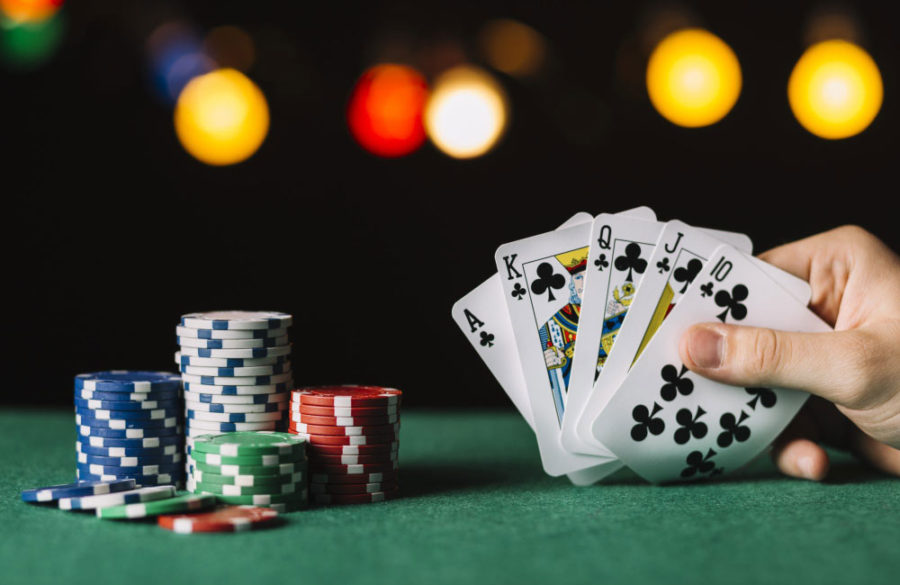
Skill plays a significant role in certain casino games that require strategic thinking and decision-making. Games such as poker and blackjack are prime examples where players’ skills can directly influence their success. In poker, for instance, understanding probabilities, bluffing, and reading opponents can lead skilled players to consistently outperform their luck-based counterparts. This distinction highlights the importance of player knowledge and experience, suggesting that skill can indeed tip the scales in a player’s favor.
In blackjack, skilled players can employ strategies such as card counting and optimal play techniques. These methods enable them to make educated decisions that can significantly decrease the house edge. Players who master these skills often find themselves winning more frequently than those who rely solely on luck. This strategic element challenges the notion that chance is the only determinant of success and demonstrates that skill can substantially impact the outcomes in certain games.
However, while skill is undoubtedly a factor, it’s important to recognize that it cannot entirely eradicate chance. Even the most skilled player will experience losses due to unfortunate outcomes, reiterating the complex relationship between skill and luck in the casino environment. This dance between the two elements is what keeps players engaged, as they seek to refine their skills while hoping to ride a wave of favorable luck.
Analyzing Popular Games of Skill Versus Chance
The ongoing debate surrounding skill versus chance is particularly evident in games like poker, where strategic approach can lead to sustained success. Unlike pure chance games, players in poker must navigate a complex web of decisions that require analysis of their opponents’ tendencies, psychological tactics, and risk management. The ability to adapt and refine strategies based on these elements can make all the difference between a novice and a professional, illustrating how critical skill can be in this environment.
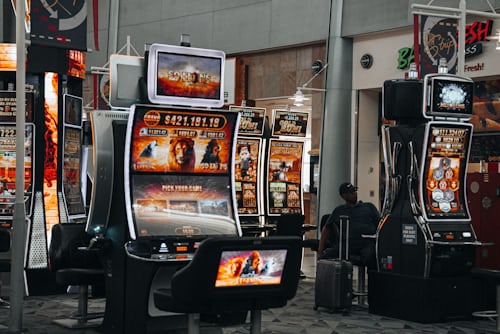
On the other hand, games such as slots and bingo exemplify scenarios where chance is the dominating force. With no decisions to be made beyond placing a bet, the outcome rests entirely on random number generators and luck. Despite occasional stories of huge wins fueled by chance, the overall structure of these games reaffirms their reliance on luck rather than skill. This distinction emphasizes why players often view such games as purely recreational, where the thrill comes from the possibility of an unexpected win rather than strategic mastery.
The contrasting nature of these games creates a broader understanding of player preferences in casinos. Many players are drawn to games of skill for the intellectual challenge they pose, while others may prefer chance-based games for their simplicity and excitement. Ultimately, recognizing the balance between skill and chance within various games can help players make informed choices about their gambling experiences, tailoring their approaches according to their strengths and preferences.
The Impact of Game Design on Skill and Chance Balance
Game design is a crucial factor in shaping the balance between skill and chance in casino games. Developers often craft games that either heavily emphasize skill or lean more towards chance, catering to different player markets. For example, high-stakes poker games attract skilled strategists looking for fair competition, while slot machines entice casual players seeking instant gratification without the need for tactical thinking. This strategic design influences player behavior and overall satisfaction, leading to a diverse gaming landscape.
Furthermore, the emergence of hybrid games has blurred the lines between skill and chance. Such games may incorporate elements of strategy while relying on random outcomes to determine winners. An example is video poker, which allows players to make choices with each hand while still being governed by the randomness of the draw. This balance can attract a wider range of players, from those seeking a skill-based challenge to those motivated by luck’s whim, thereby broadening the appeal of casino offerings.
In addition, casino operators leverage these dynamics to enhance player engagement and retention. By offering a mix of skill-heavy and chance-based games, establishments can cater to various player preferences while ensuring their gaming floor remains vibrant and appealing. This strategic blend also serves to educate players about the different facets of gaming, enabling them to explore games where they can utilize their skills or simply enjoy the thrill of chance.
Conclusion: The Future of Casino Games and Player Experience
The interplay between skill and chance in casino games continues to shape the industry, influencing player experiences and game popularity. As technology advances and innovative gaming options emerge, the balance between these two elements will likely evolve. For example, the rise of online casinos has provided players with access to a wider variety of games, enabling them to explore new strategies and engage with fellow players. Such developments contribute to a richer, more diverse gambling atmosphere.
Moreover, the future of casino gaming will likely see further integration of skill elements into traditionally chance-based games. Developers may experiment with formats that allow players to exercise more control over outcomes, potentially leading to new gameplay experiences that keep players engaged. The blending of skill and chance not only enhances the thrill of gaming but also fosters a deeper connection between players and the games they enjoy.
Ultimately, as players navigate the complexities of skill versus chance, they will continue to seek out experiences that resonate with their preferences and aspirations. Whether drawn to the strategic depth of skill-based games or the exhilarating unpredictability of chance-driven ones, the ongoing evolution of casino games promises to captivate and challenge players for years to come.
